

Parents, Check the Door: Are You a Door Stop, Lock, or Handle?
KNOCK KNOCK
~
KNOCK KNOCK ~
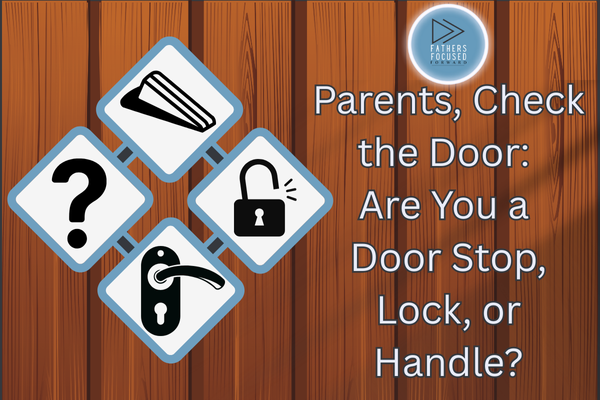
Blended family life will test your patience, stretch your love, and expose your limits. Trust me—I’m living proof. As a father, stepdad, and coach, I see the same patterns play out at home and in the lives of my clients: good parents, worn thin, standing in doorways where boundaries should be built.
That’s when this metaphor hit me: Are you a door stop, a lock, or a handle?
It’s a simple but powerful check-in for any parent navigating chaos, co-parenting, or conflict:
· Are you allowing access that hurts more than it helps?
· Are you locking down, but also locking out growth or trust?
· Or are you functioning like a handle—leading with steadiness, offering safe access to growth and responsibility?
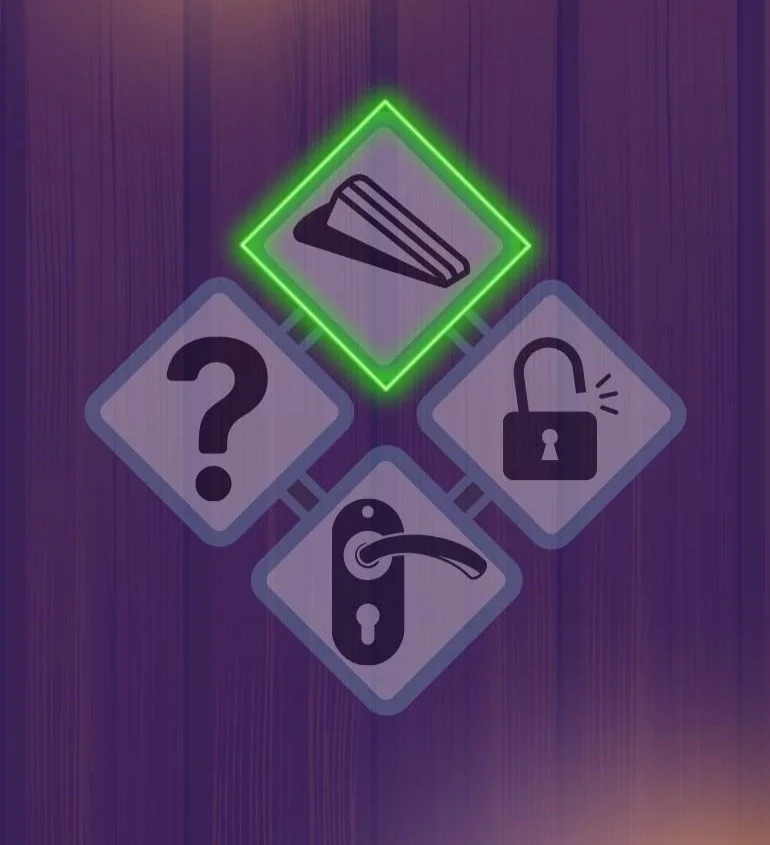
1. The Door Stop: The Passive Pass
A door stop holds the door open, often for too long. In parenting, this can look like letting children’s moods, manipulation, or learned helplessness dictate the flow of the household. Maybe it started with empathy, or a desire to "keep the peace," but now you're propping the door wide open for disrespect, avoidance, or entitlement to walk in.
What this can sound like:
- “They’ve had a hard week, I don’t want to push them on chores.”
- “I asked twice and they didn’t respond, so I just dropped it.”
Impact:
Over time, this role erodes accountability and respect. Children become conditioned to test limits because the door is always open, and the adult is always yielding.
💭Try this instead:
Pause and ask yourself: "Am I holding space or being held hostage?" Supporting doesn’t mean surrendering. It’s okay to close the door on excuses when growth is on the other side.
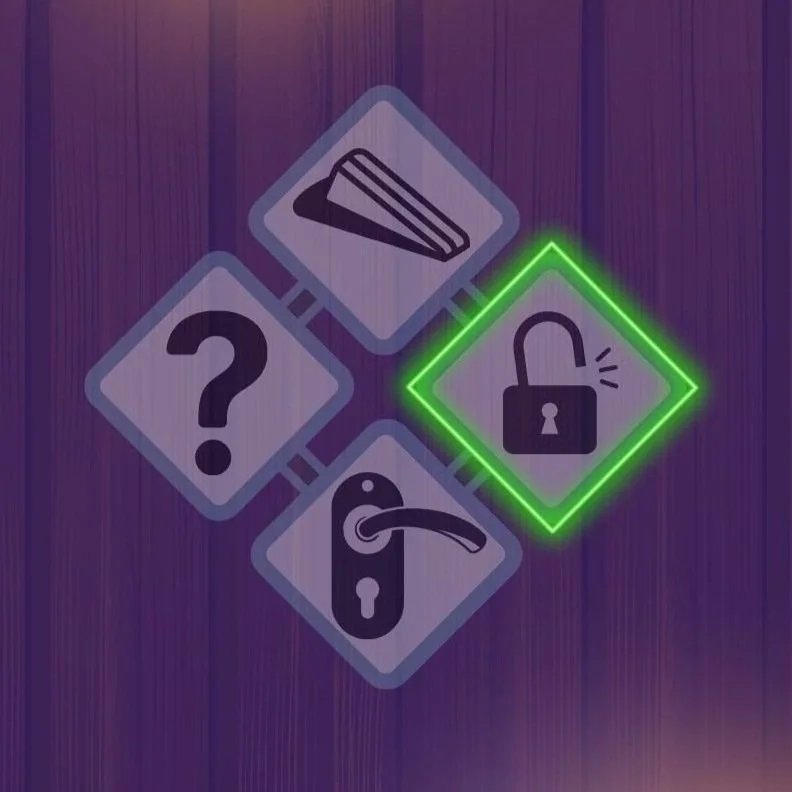
2. The Lock: The Over-Corrector
Locks are important for safety, but if used rigidly, they can keep out connection as well. In parenting, this might look like doubling down on control, enforcing harsh punishments, or blocking out input from others (even the other co-parent).
What this can sound like:
- “If they mess up once, they lose everything.”
- “I don’t care what their mom says, this is my rule.”
Impact:
While some structure is healthy, overly rigid parenting can breed secrecy, resentment, or rebellion. Children may follow rules out of fear, not respect, and emotionally shut down.
💭Try this instead:
Explore what needs protecting versus what needs softening. Ask: Are you locking out bad influences—or opportunities for growth? Define which rules are about values, and which are about control.
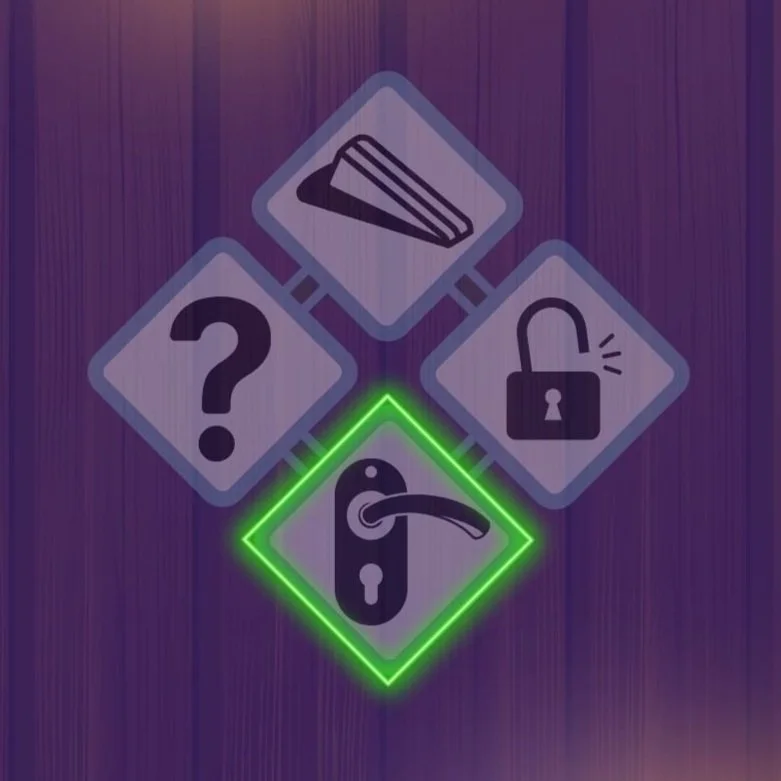
3. The Handle: The Balanced Guide
A handle offers access with guidance. It opens the door to responsibility, emotional safety, and clear expectations. This is the role we want to embrace: one of calm authority, predictable structure, and earned trust.
What this can sound like:
- “I hear you. Let’s talk about what your responsibility is here.”
- “These are the expectations, and we’ll revisit this once they’re met.”
Impact:
Children in these homes know the rules, trust the process, and feel both supported and accountable. There’s room to grow, but also clear lines they can’t push past without consequence.
💭Try this instead:
Develop scripts, structures, and systems that reflect your values. Remember: Being the handle isn’t about being soft—it’s about being stable.
Final Reflection
Every household has doors. But parenting is about who controls the entry. Are you letting just anything in? Shutting too much out? Or guiding access with care?
When we check the door, we learn to check ourselves—and from there, we build homes that honor both love and leadership.
Want support navigating parenting dynamics like this?
Charles A. Narcisse
CDC Certified Divorce Transition and Recovery Coach ®
Caring Co-Parent Coach™ and Advisory Board Member (CDC® Specialty Coach Training)
“And if no one told you today… you’re awesome!”